
Popular Foundation Repair Equipment For Home Improvement Projects
Get insights into essential foundation repair products that simplify repairs and ensure lasting results.
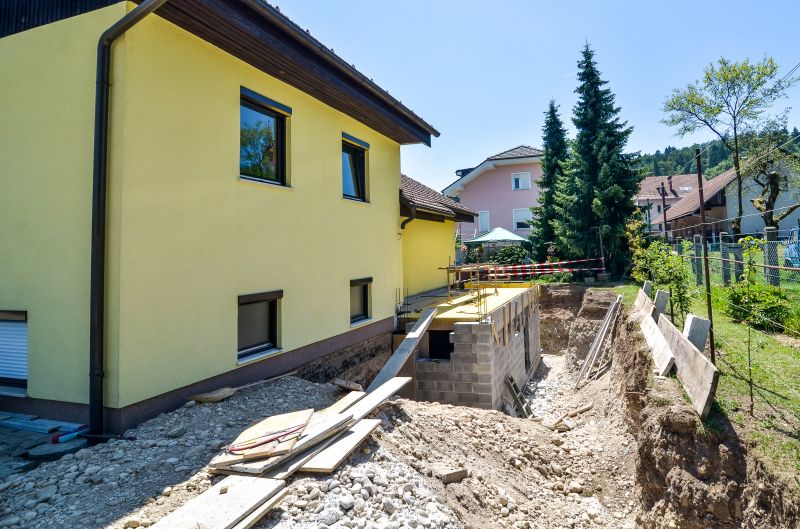 Foundation repairs are a crucial aspect of maintaining the structural integrity of a building, especially in areas prone to soil movement or moisture fluctuations. Various products are designed to address different types of foundation issues, from minor cracks to significant shifting or settling. Selecting the right products depends on the specific problem, the foundation type, and the severity of the damage. Proper application and quality materials can help stabilize the structure and prevent further deterioration.
Top Overall Option
Hydraulic Pier System
Hydraulic pier systems are versatile and adaptable solutions used to lift and stabilize sinking or settling foundations. They typically consist of steel piers driven deep into stable soil layers and hydraulic jacks that lift the foundation to its proper level. These systems are known for their strength and ability to provide long-lasting support, making them a popular choice for various foundation repair projects. Proper installation by professionals ensures optimal performance and safety, helping to restore stability to affected structures.
Types of Products For Foundation Repairs
Steel Push Piers
Steel push piers are driven into the ground beneath the foundation to provide support and lift. They are suitable for deep foundation stabilization and are often used in cases of significant settlement.
Helical Piers
Helical piers are screwed into the soil and provide support for foundations with variable load requirements. They are often chosen for their ease of installation and minimal disturbance.
Epoxy Injection Kits
Epoxy injection kits are used to fill cracks in concrete foundations, restoring structural integrity and preventing water intrusion.
Wall Anchors
Wall anchors stabilize bowing or leaning basement walls by applying lateral support, often used in basement repair projects.
Mudjacking / Slab Jacking
This method involves injecting a slurry beneath concrete slabs or walkways to lift and level them, addressing surface unevenness caused by soil settlement.
Carbon Fiber Reinforcements
Carbon fiber strips reinforce cracked or bowing walls, providing additional strength without extensive excavation.
Grout and Sealants
These products seal minor cracks and prevent water infiltration, which can contribute to foundation deterioration.
Underpinning Systems
Underpinning involves extending the foundation depth or replacing unstable soil to improve stability, often using various support methods.
Soil Stabilizers
Chemical or mechanical soil stabilizers improve soil bearing capacity, reducing foundation movement caused by soil shifts.
Drainage Systems
Proper drainage products help manage water around the foundation, minimizing soil erosion and moisture-related issues.
Foundation Braces
Temporary or permanent braces support walls or sections of a foundation during repair or stabilization work.
Vapor Barriers
Vapor barriers control moisture levels around the foundation, reducing expansion and contraction of soil.
Pier Caps
Pier caps sit atop support piers, distributing load evenly and providing a stable base for further structural support.
Soil Moisture Control Products
Products that regulate soil moisture levels help prevent swelling or shrinking, which can impact foundation stability.
Concrete Patching Compounds
These compounds repair surface cracks and spalling, maintaining the integrity of concrete foundations.
Anchor Bolts
Anchor bolts secure framing or structural components to the foundation, providing additional stability.
Drainage Matting
Drainage matting improves water runoff away from the foundation, reducing hydrostatic pressure.
Popular Choices
Hydraulic piers are frequently used for foundation stabilization, offering adjustable support and lifting capabilities.
Epoxy kits are commonly employed for crack repairs, helping to restore the structural integrity of concrete foundations.
Wall anchors are popular for stabilizing bowing or leaning basement walls, providing effective lateral support.
Products that improve soil bearing capacity are often chosen to prevent future settlement issues.
Proper drainage products are essential for managing water around foundations and preventing moisture-related problems.
Mudjacking is a common method for leveling concrete slabs and walkways caused by soil settlement.
Carbon fiber reinforcement is favored for quick, minimally invasive wall repairs.
Underpinning systems are frequently used to extend foundation support in cases of settlement.
Sealants for cracks are popular for preventing water intrusion and further deterioration.
Support braces are often used temporarily during repair processes to stabilize structures.
Vapor barriers are commonly installed to control moisture levels around foundations.
Patching compounds are widely used for surface repairs on concrete foundations.
Anchor bolts are frequently installed to reinforce structural connections.
Drainage mats help direct water away from foundations and are a common component of waterproofing systems.
Support beams provide additional reinforcement for compromised foundation walls or floors.
In Camas, WA, where the soil conditions and weather patterns can influence foundation stability, homeowners and contractors often turn to a range of repair solutions. These include underpinning systems, epoxy injections, wall anchors, and hydraulic piers, among others. Each product type offers different advantages, installation methods, and suitability for specific foundation problems. Understanding these options can help in making informed decisions to ensure long-term stability.
While some foundation repair products are suitable for DIY projects, many require professional installation to ensure safety and effectiveness. Consulting with a foundation specialist can help determine the most appropriate solutions based on the extent of damage and the underlying soil conditions. Investing in high-quality, durable repair products can contribute to the longevity of the structure and reduce the need for more extensive repairs in the future.
Ultimately, the goal is to select products that provide reliable support and stabilization, tailored to the unique needs of each property. Whether addressing minor cracks or major shifts, choosing the right foundation repair products is essential for preserving the safety and value of a home or building in Camas, WA.
Key Buying Considerations
- Assess the severity and type of foundation issue to select appropriate repair products.
- Consider the soil conditions and how they influence the choice of stabilization methods.
- Evaluate the compatibility of repair products with existing foundation materials.
- Determine whether professional installation is recommended or if DIY options are feasible.
- Review the load-bearing capacity required for the specific foundation and structure.
- Check product durability and resistance to environmental factors such as moisture and temperature changes.
- Consider the ease of installation and the time required for repair procedures.
- Ensure that the selected products meet local building codes and safety standards.
- Look into warranty options or guarantees provided by manufacturers or contractors.
- Factor in the long-term maintenance requirements associated with different repair solutions.
- Compare costs of various products and installation to find options that fit your budget.
- Research customer reviews and expert opinions to gauge product effectiveness.
- Verify availability of replacement parts or repair components if needed in the future.
- Assess the impact of repair products on property value and resale potential.
- Consider environmental factors that might affect the longevity of repair materials.